
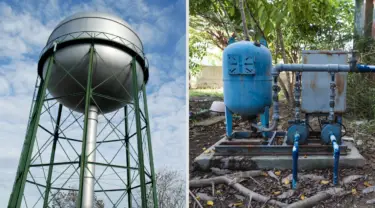
Well Water vs. City Water in Oakland County, Michigan: What Homeowners Should Know
If you live in Oakland County or surrounding areas like Livingston, Wayne, or Washtenaw County, your home likely relies on either a private well or a municipal water supply. While both provide safe water for everyday use, there are important differences homeowners should understand.
From water quality and maintenance to cost and common local issues, here’s what Southeast Michigan homeowners should know about well water vs. city water.
Understanding the Difference Between Well Water and City Water
The biggest difference between well water and city water comes down to where the water comes from and who is responsible for maintaining it.
Well Water
Homes with private wells draw groundwater directly from underground aquifers. The water is pumped into the home through a private well system, meaning the homeowner is responsible for testing, maintenance, and treatment.
City Water
Municipal water comes from a public water supply system that treats and distributes water to homes throughout the area. Local municipalities are responsible for testing and maintaining the water supply before it reaches your home.
Water Quality in Southeast Michigan
One of the biggest concerns homeowners have is water quality. In Oakland County and surrounding counties, both well water and city water can experience unique issues.
Common Well Water Concerns
Because well water comes directly from the ground, it can contain naturally occurring minerals and contaminants common in Michigan groundwater, including:
- Hard water minerals like calcium and magnesium
- Iron that causes orange staining
- Sulfur odors that smell like rotten eggs
- Arsenic in certain areas
- Bacteria contamination if wells are not properly maintained
Many homeowners with well water notice staining on fixtures, buildup on plumbing fixtures, or unpleasant odors long before they realize their water may need treatment.
Common City Water Concerns
City water is treated and regulated, but homeowners may still experience issues such as:
- Chlorine taste or odor
- Hard water
- Aging infrastructure
- Potential lead concerns in older plumbing systems
- Water main breaks or temporary discoloration
Even treated municipal water can benefit from filtration or softening systems depending on your home’s plumbing and water quality.
Who Is Responsible for Water Testing?
This is one of the most important differences between well water and city water.
City Water Testing
Municipal water systems are required to regularly test water quality and meet federal and state drinking water standards.
Well Water Testing
Private wells are not routinely monitored by the government. That means homeowners are responsible for:
- Annual water testing
- Monitoring contaminants
- Maintaining the well system
- Installing treatment systems if needed
Many homeowners are surprised to learn that well water should be tested regularly, especially for bacteria, nitrates, arsenic, and other local groundwater concerns.
Hard Water Is Extremely Common in Oakland County
Whether you have well water or city water, hard water is one of the most common issues in Southeast Michigan.
Hard water contains high levels of minerals like calcium and magnesium, which can create problems throughout your home, including:
- White spots on dishes and glassware
- Soap scum buildup
- Dry skin and hair
- Reduced water heater efficiency
- Scale buildup inside pipes and appliances
Over time, hard water can shorten the lifespan of plumbing fixtures, water heaters, dishwashers, and washing machines.
Many Oakland County homeowners install water softeners to help protect their plumbing systems and improve overall water quality.
Comparing the Costs of Well Water and City Water
When comparing well water vs. city water, cost is often a major factor.
City Water Costs
With municipal water, homeowners typically pay:
- Monthly water bills
- Sewer charges
- Infrastructure or stormwater fees
While costs are ongoing, the municipality handles repairs and system maintenance up to where the city water line connects to your home’s water line.
Well Water Costs
Well water eliminates monthly water bills, but homeowners are responsible for:
- Well pump maintenance
- Pressure tank repairs
- Water testing
- Filtration systems
- Potential well replacement
Although well water may seem “free,” maintenance and equipment costs can add up over time.
Conclusion
Water quality can vary significantly across Oakland County and neighboring communities, even from one neighborhood to the next. Whether your home uses well water or city water, understanding what’s in your water is the first step toward protecting your home and your health.
If you’ve noticed staining, odors, hard water buildup, or changes in your water quality, it may be time to schedule a professional water test or explore treatment options designed specifically for Southeast Michigan homes.