

Should I Repair or Replace My AC?
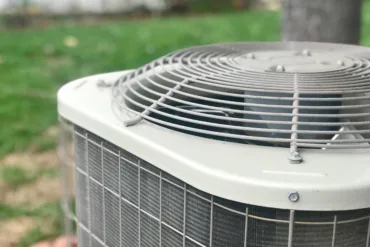
As the heat of summer approaches, reliable A/C is essential for keeping your Michigan home cool and comfortable. That said, if your A/C is driving up energy bills, breaking down, or failing to keep up with your thermostat settings, you might be wondering if you should upgrade your system.
Investing in a new AC can be an overwhelming decision—we know. So, to help you make the best choice possible, let’s explore:
Deciding whether to repair or replace your A/C system requires careful consideration of various factors, including the age of the unit, repair costs, energy efficiency, frequency of repairs, and more. In this blog, we’ll take a closer look at each factor and give you the information you need to make a well-informed decision. Click here to watch our video instead.
Key Takeaways:
- Minor A/C issues and systems under 10 years old are often good candidates for repair, especially if the problematic parts are still covered under a manufacturer’s warranty.
- If a repair costs 50% or more of a new system’s price tag, replacement may offer better long-term value and peace of mind.
- A/C systems typically last around 15 years with proper maintenance, but units over 10 years old with recurring problems may be nearing the end of their useful life.
- Frequent breakdowns, rising energy bills, and declining efficiency often signal that replacement will save more money over time than continued repairs.
- Poor cooling performance, uneven temperatures, or improper system sizing can indicate that a new, properly sized A/C system will improve comfort and lower energy costs.
- Homeowners planning to stay in their home long-term may benefit most from upgrading to a newer, energy-efficient system that enhances comfort and property value.
When to Repair Your AC
Oftentimes, a simple repair is all it takes to fix a broken A/C. Usually, repairs are most effective for units that are younger than 10 years. There are two main situations in which repairs are the best choice: when they’re minor and when you have warranties.
Repairs Are Minor
If your A/C has problems, the first thing you should do is check how extensive the issue is. Some issues, like clogged air filters, thermostat calibrations, and condensate drain cleanings, are fairly minor and can be repaired within the same day. However, if you need a major part replacement (e.g. the compressor, control board, expansion valve, or condenser coil) it may require significant time, expense, and effort that’s just not worth it.
As a general rule of thumb, if the repair costs reach or surpass 50% of the price of a new unit, it may be wiser to consider a replacement. Rather than sinking more money into an aging system that’s likely to present more problems in the future, you’ll enjoy greater energy savings and improved performance. Not to mention peace of mind, knowing your A/C won’t break down on you in the middle of summer.
You Have a Valid Parts Warranty

Before scheduling an A/C repair, it’s always a good idea to check your warranties. When you purchase an A/C, the manufacturer will provide warranties for different parts. If a certain part breaks down, the manufacturer may help cover costs, provided the warranty is valid. Most A/C parts warranties last from five to ten years, so if you’re still under warranty and you need a repair that’s covered, you’re probably better off getting a repair. However, if your warranty has expired (or was unknowingly voided) you’ll end up paying out-of-pocket for repair costs, which can sway your decision.
At Thornton & Grooms, we’ll always check to see if you have any valid parts and labor warranties. We also offer a one-year parts and labor warranty for every A/C repair, along with our 5‑star service guarantee.
When to Replace Your A/C
Depending on the problem, you might be better off with an A/C replacement. Here are some situations in which a replacement is the best choice.
Your A/C Is Too Old
With regular A/C maintenance, most A/Cs will last for about 15 years. If your A/C is over 10 years old and experiencing problems, though, it’s probably best to get a new unit. Newer models are often more energy-efficient, quieter, and equipped with advanced features.
Your A/C Constantly Needs Repairs
While an occasional repair here or there is normal, constant repairs are a sign that the unit’s overall condition is deteriorating. Frequent breakdowns can be frustrating, time-consuming, and may lead to discomfort during hot weather. In such instances, replacing the A/C system can provide you with peace of mind, knowing that you have a reliable and efficient unit that is less likely to experience recurring issues. Plus, a new system can help to lower your long-term costs by saving on energy costs and reducing your overall repair needs.
Your Energy Bills Are Very High

Speaking of costs, make sure you’re keeping an eye on your energy bills. A sudden increase suggests there’s a problem with your system’s efficiency. Older A/C units tend to be less energy-efficient compared to newer models. So your A/C ages, it can struggle to maintain your cooling needs. To meet your demands, it will consume more energy than usual. Upgrading to a more energy-efficient system can lead to significant savings on your utility bills over time.
Poor Cooling Comfort
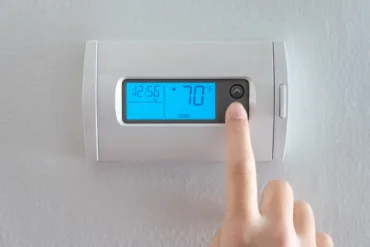
The final sign to look out for is comfort. A quality air conditioner should be keeping you cool and comfortable throughout the warm months. If your air conditioner is failing to meet your needs, it might be too small for your home. In these cases, the best solution is replacing the current unit with a larger, stronger one.
If you intend to stay in your current residence for several more years, investing in a new A/C system can enhance your overall comfort and potentially increase the value of your property.