

No-Dig vs. Traditional Dig Sewer Repairs: What Homeowners Need to Know About Cost Differences
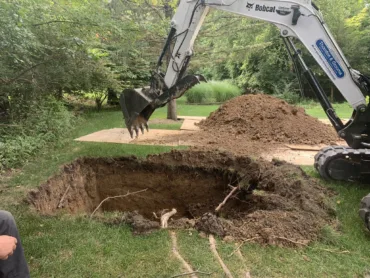
When a sewer line fails, most homeowners picture the worst — trenches across the yard, jackhammers in the basement, days of disruption, and a repair bill that keeps climbing. While traditional excavation is sometimes necessary, today’s plumbing technology offers another option for many homes: no-dig (trenchless) sewer repair.
Both methods fix the problem, but the true cost difference goes far beyond the initial estimate. Here’s what homeowners in Metro Detroit should know before choosing between no-dig and traditional dig sewer repairs.
Key Takeaways:
- Traditional dig sewer repairs require additional labor and equipment, which can result in extra costs. No-dig repairs use specialized tools and equipment and require less labor, which may reduce up-front costs.
- Lawns, landscaping, and concrete may be damaged during traditional dig repairs due to large access points, whereas no-dig repairs use small access points.
- Expenses incurred from repairing damaged landscaping or concrete are often not included in plumbing estimates.
- Depending on the extent of the job, traditional dig repairs can take up to 7 or more days to complete. On average, no-dig repairs take only 1 to 2 days.
- Shorter timelines, specialized equipment, and less labor can help keep sewer repair costs lower when compared to traditional dig repairs.
- Professional sewer cam inspections can help you know if you need a traditional excavation or a no-dig repair.
Labor Costs: Traditional Dig Requires More Manpower
Labor makes up a large portion of sewer repair costs. Traditional dig repairs typically involve:
- Heavy excavation equipment
- Larger crews and utility locators
- Hand digging around gas, electric, or water lines
- Soil removal and replacement
- Multiple inspections during excavation
Those labor hours add up quickly.
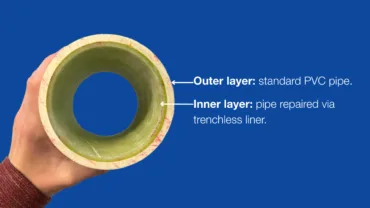
No-dig sewer repair uses specialized equipment and trained technicians but requires far fewer people and no excavation machinery, which often results in a lower upfront labor cost.
Landscaping & Property Restoration: The Hidden Expense of Dig Jobs
One of the biggest cost differences homeowners don’t expect comes after the sewer line is repaired.
Traditional excavation often damages:
- Lawns and landscaping
- Driveways, sidewalks, or patios
- Gardens, trees, and irrigation systems
Restoration costs may include:
- Sod or reseeding
- Concrete or paver replacement
- Tree or shrub removal
- Regrading for proper drainage
These expenses are frequently not included in the plumbing estimate and can add thousands to the total cost.
No-dig repairs avoid most of this entirely by using small access points — preserving your yard, hardscaping, and curb appeal.
Interior Disruption: Basement Digging Adds Cost and Stress
In many Michigan homes, sewer lines run beneath the basement floor. With traditional dig repairs, that can mean:
- Jackhammering concrete floors
- Dust, noise, and debris throughout the home
- Removal of finished flooring or cabinetry
- Concrete repair and refinishing afterward
Trenchless sewer repair avoids breaking through the basement slab in many cases, reducing both repair costs and household disruption.
(Note: In most municipalities, trenchless lining cannot be performed on pipes 3 inches or smaller.)
Project Timeline: No-Dig Repairs Are Usually Faster
Time impacts both cost and convenience.
Typical timelines:
- No-dig sewer repair: 1 – 2 days
- Traditional dig repair: 3 – 7+ days, depending on depth, utilities, and restoration
Shorter timelines mean:
- Less noise and mess
- Fewer days off work
- Faster return to normal use of your home
Total Cost Comparison: Why No-Dig Often Costs Less Overall
While traditional excavation may sometimes appear cheaper at first glance, the total project cost often tells a different story.
No-dig sewer repair reduces expenses by eliminating:
- Extensive labor
- Landscaping restoration
- Interior concrete and flooring repairs
- Heavy equipment operation
- Extended project timelines
When all factors are considered, trenchless sewer repair is frequently the more cost-effective and less stressful solution for qualifying homes.
Is No-Dig Sewer Repair Right for Your Home?
Trenchless repair isn’t right for every situation. Pipe collapse, severe misalignment, or lack of access points may require traditional excavation. The only way to know for sure is with a professional sewer camera inspection.
If you’re experiencing recurring backups, slow drains, or sewage odors, Thornton & Grooms’ licensed plumbers can evaluate your sewer line and walk you through both options — clearly and honestly.