

How to Determine if You Should Repair or Replace Your HVAC System
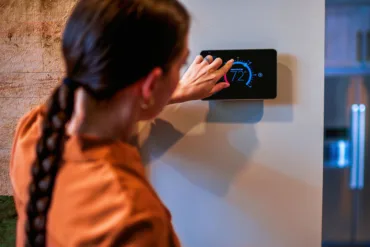
Are you wondering if replacing your HVAC system is right for you? Do you want to know how to decide if it’s better to repair or replace? In this article, we’ll help determine if repairing or replacing your system is right for you.
For Michigan homeowners, a reliable HVAC system is more than a convenience. Your heating and cooling system needs to keep your home comfortable through freezing winter temperatures and hot summer days. But when your furnace, air conditioner, or heat pump starts having problems, deciding whether to repair the issue or invest in a new system can be difficult.
The right answer depends on several factors, including the age of your system, the cost of the repair, how often it breaks down, its energy efficiency, and how well it keeps your home comfortable.
In this guide, we’ll walk through the biggest factors to consider when deciding whether to repair or replace your HVAC system.
When should you repair your HVAC system?
Not every HVAC problem means you need a new system. In many cases, a repair is the most practical and affordable solution. Here are some situations where repairing your HVAC system may make the most sense.
Your HVAC system is relatively new
If your furnace, air conditioner, or heat pump is under 10 years old and hasn’t required many repairs, fixing the issue is often the best choice.
Many HVAC systems can provide years of reliable service when properly maintained. If a newer system develops an isolated problem — such as a faulty electrical component, thermostat issue, clogged condensate drain, or other repairable problem — it may make more financial sense to fix the issue and continue using the system.
Before making a decision, consider both the age of the equipment and its overall condition.
Your system has warranty coverage
Before paying for an expensive HVAC repair, find out whether any of the equipment or components are still covered by a manufacturer’s warranty.
It’s also important to understand exactly what your warranty covers. Parts, labor, and other costs may have different coverage terms. The most common manufacturer warranties for new systems are 10 years. Some components can have coverage for 15 – 20 years.
A covered repair could make keeping your existing system a much more attractive option.
Our professionals can help determine if you have valid warranties, if needed.
The repair is relatively minor
Some HVAC problems are relatively simple to correct.
For example, a system may have a dirty filter, faulty thermostat, clogged condensate drain, electrical issue, or another component that can be repaired without replacing the entire system.
If the rest of your HVAC system is operating properly, a repair can extend its useful life without the expense of a full replacement.
However, a small repair today doesn’t necessarily mean a repair is the best choice every time. If your system is 10 years or older and has a history of problems, it’s worth looking at the bigger picture before spending more money on it.
A good rule of thumb is if the repair costs more than 50% of a new system’s price tag, replacement may offer better long-term value.
When should you replace your HVAC system?
Sometimes, continuing to repair an aging HVAC system simply doesn’t make financial sense.
Here are what our Comfort Advisors recommend considering when deciding to replace your system.
Your HVAC system is getting old
A unit over 10 years old is more likely to experience frequent breakdowns, as components naturally wear out, efficiency can decline, and replacement parts can become more difficult or expensive to find.
You’re constantly repairing your system
One repair doesn’t necessarily mean it’s time for a new HVAC system.
But if you’re calling for repairs repeatedly, those costs can add up quickly.
Frequent breakdowns can also be a sign that one failing component isn’t the only problem. As equipment ages, multiple components may begin to wear out.
If you’re spending money on repairs year after year, consider how much you’ve already invested in the system and how much you may spend keeping it running over the next several years.
A new HVAC system can provide greater reliability and reduce the likelihood of repeated breakdowns.
Your energy bills keep going up
Have your heating and cooling bills increased even though your usage hasn’t changed significantly?
Older HVAC equipment can become less efficient over time, particularly as components wear down or the system struggles to operate properly. If energy bills are a concern for you, a newer system is likely to be more efficient and will reduce energy consumption.
Your home isn’t comfortable
Your HVAC system should do more than simply turn on and off. It should keep your home reasonably comfortable throughout the year.
If you notice:
- Rooms that are consistently too hot or too cold
- Uneven temperatures throughout your home
- Your system running constantly
- Poor airflow
- Difficulty maintaining your thermostat setting
- Your furnace struggling to heat your home
- Your air conditioner struggling to keep your home cool
there may be an underlying problem with your HVAC system.
In some cases, a repair can solve the issue. In others, the equipment may be aging, improperly sized, or no longer capable of efficiently meeting your home’s heating and cooling demands.
A professional evaluation can help determine the cause.
You’re facing a major repair
Not all repairs are created equal.
Replacing a relatively inexpensive component on an otherwise healthy system may be an easy decision. A major repair on an older system is a different story.
For example, if your HVAC system needs an expensive component such as a compressor, heat exchanger, or other major part, compare the repair cost with the age, condition, and expected remaining life of the entire system.
A good rule of thumb is to consider replacement when a major repair represents a substantial portion of the cost of a new system. We recommend that if the repair is 50% or more of the cost of replacing, then replacement might be the better option for you.
The better questions are:
“How much will I spend on this repair? How much longer can I reasonably expect my system to last? And how long am I going to stay in this house?”
Should I replace my furnace and A/C at the same time?
If you have a traditional split HVAC system, your furnace and air conditioner often work together. That means if one component needs replacement, it’s worth asking whether replacing both at the same time makes sense.
You don’t necessarily need to replace both simply because one has failed. If your furnace is relatively new and your air conditioner needs replacement, for example, replacing only the A/C may be perfectly reasonable.
On the other hand, if both systems are older and approaching the end of their expected service life, replacing them together may provide advantages.
A matched heating and cooling system can provide better overall performance and may simplify installation and future maintenance.
Your HVAC professional can evaluate both pieces of equipment and help you determine whether replacing one or both makes the most sense.
Still not sure which option is right for you?
Ask yourself these questions:
How old is my HVAC system?
A newer system with one isolated problem is often a better repair candidate than an older system with multiple issues.
- How much will the repair cost?
- Compare the repair cost with the price of a new system and consider how long you expect the repaired system to continue operating.
How often have I needed repairs?
One repair is one thing. Multiple breakdowns every year are another.
Are my energy bills increasing?
If your system is becoming less efficient, a new system may reduce operating costs over time.
Is my home comfortable?
If your system can’t consistently heat or cool your home, replacement may provide a noticeable improvement in comfort.
How long do I plan to stay in my home?
If you plan to stay for many years, investing in a reliable, efficient HVAC system may provide more long-term value.
Do I have warranty coverage?
Check your equipment and component warranties before making a decision.
So, should you repair or replace your HVAC system?
There isn’t one answer that applies to every homeowner.
Repair may be the better choice if your system is relatively young, the problem is minor, and the equipment has otherwise been reliable.
Replacement may make more sense if your system is older, requires frequent repairs, has become inefficient, or needs a major repair.
Need help deciding whether to repair or replace?
Not sure if your HVAC system has a few more years left or if it’s time for an upgrade? Thornton & Grooms can help.
Our HVAC professionals can evaluate your existing system, identify the problem, and explain your repair and replacement options. If replacement makes sense, we’ll help you compare your options and choose a system that fits your home’s comfort needs and budget.
Whether you need a repair today or you’re planning for a replacement, we’re here to help you make the decision that’s right for your home.
Key takeaways
- A minor repair can make sense when your HVAC system is relatively young and otherwise working well.
- If your system requires frequent repairs, replacement may provide better long-term value.
- The age of your HVAC system is an important factor when deciding whether to repair or replace it.
- Rising energy bills can be a sign that an older system is becoming less efficient.
- Uneven temperatures, excessive cycling, unusual noises, and poor heating or cooling can all indicate that your system is struggling.
- If a major repair approaches a significant portion of the cost of a new system, replacement may be worth considering.
- A new, properly sized HVAC system can improve comfort, efficiency, reliability, and peace of mind.