

How to Handle Frozen Pipe Repair
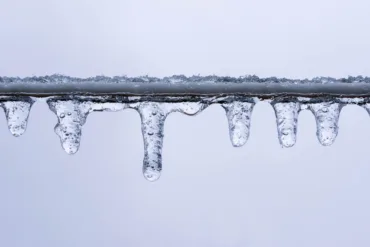
Frozen pipes can be common in cold climates and can occur even in temperate climates when there’s an especially cold night or day. Fast, proactive frozen pipe repair helps reduce more extensive issues associated with burst pipes and resulting water damage. This guide outlines what you need to know to respond quickly to frozen pipe situations, including:
- Signs your pipes are frozen
- Immediate steps to take if you suspect frozen pipes
- How to safely thaw frozen pipes
- When to call a professional for frozen pipe repair
- Preventing future frozen pipes
Keep reading to learn about specific steps for thawing frozen pipes and when you should bring in professional help.
Signs Your Pipes Are Frozen
Knowing when to address frozen pipes is the first step in the process. If you can identify and address frozen pipes quickly, you might avoid burst pipes and resulting damage. Some symptoms of frozen pipes include:
- No water flow. If you turn on the tap and little or no water comes out, something’s blocking water flow. In cold weather, ice in the pipes is a potential culprit.
- Visible frost on pipes. When you can see pipes, especially those running outside of the home or in exterior walls, look for evidence of frost. This is a sign there may be ice inside.
- Strange noises in walls. Sounds of clanking in the walls when you turn on faucets can be a sign that ice is blocking water flow and moving clunkily through plumbing systems.
- Bulging pipes. Water expands when it freezes, which can cause pipes to bulge or crack.
Immediate Steps to Take If You Suspect Frozen Pipes
When you suspect your pipes are frozen, it’s important to act quickly to reduce further damage.
- Shut off the main water valve. Consider whether you should shut off water coming into the house or area where you suspect frozen pipes. This keeps extensive water from running into the walls and other areas of your home if pipes burst.
- Open your faucets. If only one pipe is frozen, open the impacted faucet a bit to let water trickle out as the ice melts.
- Inspect any pipes you can see. Visually inspect pipes to see if there are cracks, bulges, or other signs of damage.
How to Safely Thaw Frozen Pipes
After determining your pipes are still whole, you may want to thaw frozen pipes to restore water flow. There are some safe methods for addressing minor freezes, but it’s important to proceed with caution, as you may cause more damage. Some options to consider include:
- Applying gentle heat. Place a space heater near the pipes to warm the area gently, or use a hairdryer or heating pad to direct low heat to specific pipes. Start near faucets and move toward the frozen section as you slowly warm pipes.
- Use towels soaked in warm water. Put towels in warm water and then wring them out. Wrap the damp towels around pipes to thaw ice. Don’t do this outdoors where the towel itself might freeze.
- Avoid any use of open flames. Open flame of any type, including candles or torches, can damage pipes and create fire hazards, so don’t use these methods to thaw pipes.
When to Call a Professional for Frozen Pipe Repair
Thornton & Grooms offers fast, reliable pipe leak repairs, including in situations involving frozen pipes. It’s best to bring in a professional when:
- You see a pipe that is bulging or cracked. Visible pipe damage is a clear sign that you’re dealing with more than ice blocking water flow. A professional plumber can assess potential damage and take a proactive approach to repair it.
- Your thaw attempts fail. Plumbers use specialty equipment to thaw and unblock pipes that are more effective than DIY approaches.
- A pipe has burst. Turn your water main off and call in a professional to repair the pipe and help you prevent further water damage.
Preventing Future Frozen Pipes
Engage professional plumbing services to keep your system running. You can also:
- Insulate exposed pipes to reduce freezing risks.
- Keep a trickle of water running during very cold nights or days to help stop water from freezing.
- Seal cracks and openings in walls and foundation to keep pipes better insulated from cold.
- Open cabinets under your sinks to allow warmer air in.